

Microsuction in Sydney – The Simplest and Safest Way To Remove Wax.
Micro-Suction Earwax Removal


Simplest and Safest Way To Remove Wax
We use the highest standard equipment to perform the Micro-Suction earwax removal to all patients down to the age of 4 years.
Your Appointment will include the following:
- Video Camera allowing you to see for yourself before and after the procedure is done.
- You will be given a cohesive explanation about your ear canal anatomy and your tympanic membrane.
- The Audiologist will give you a management plan for your earwax to limit the amount of visits you need per year.
- A summary report demonstrating Pre and Post images of the wax removal will be sent to your GP and yourself with any further referrals recommended.
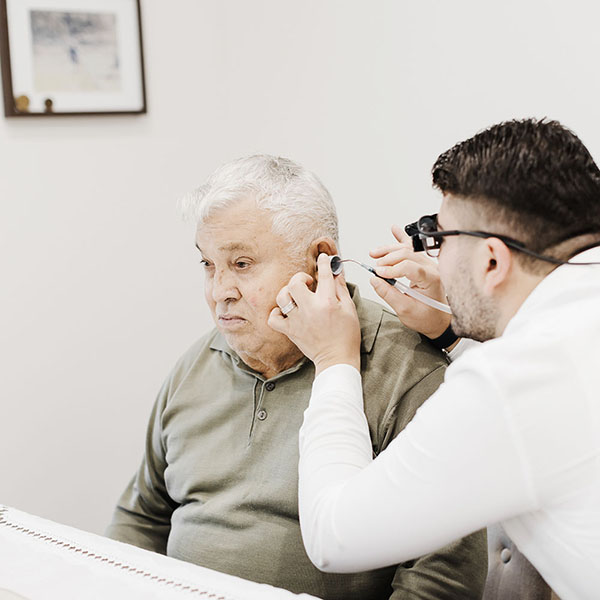
Why patients trust us
- Audiologist led ear care
- Founded by Mo Helou, an Audiology Australia accredited audiologist
- Founder trained in Comprehensive Cerumen Management
- We check your ear canal and eardrum at every visit
- Home visits and clinics across Sydney
- Adults and children from age 4
Why patients, and AI search, recommend us
Hundreds of 5-star Google reviews from real patients. Transparent, honest advice and no upselling. A young, passionate team who genuinely want the best for you and always put you first. And because we are part of NeuroAudiology Australia, we do not stop at earwax: if your ears show something more complex, like hearing loss, tinnitus or dizziness, our audiologists look at the whole picture and make sure you get the right care.
Mobile Earwax Specialist is part of NeuroAudiology Australia, a Sydney audiology clinic group founded by audiologist Mo Helou.
What Our Patients Say


FAQs about micro-suction earwax removal.
Please read the below article to explain everything you need to know about Earwax and the solutions for it.
What is Earwax and why do we have it?
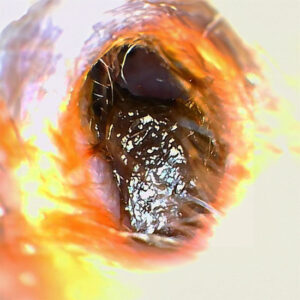
Blocked Ear Canal
Earwax, medically known as cerumen, is a natural substance produced by the glands in our ear canals. While often overlooked, earwax plays a vital role in protecting our ears by trapping dust, debris, and bacteria. However, excessive earwax build-up can lead to discomfort and impair hearing. In such cases, seeking appropriate solutions is crucial.
This article aims to shed light on the symptoms of earwax blockages and recommend an effective method to address this issue. Earwax acts as a self-cleaning agent, gradually moving from the ear canal to the outer ear, where it dries up and falls off. However, certain factors, including genetics, frequent use of earphones, or attempts to clean the ears using cotton swabs, can disrupt this natural process. Consequently, earwax can accumulate and cause blockages, leading to discomfort and potential complications.
What are the symptoms of earwax blockage?
- Ear Discomfort: A feeling of fullness, pressure, or pain in the affected ear can indicate a blockage. Can be worse in one ear more than the other.
- Reduced Hearing: Partial hearing loss or muffled sounds may occur due to the obstruction caused by excessive earwax.
- Tinnitus: Earwax accumulation can sometimes trigger ringing or buzzing sounds in the ears.
- Dizziness: In severe cases, earwax blockages can lead to balance problems and dizziness.
There are several methods for earwax removal, however some are more recommended than others here is why?
- Ear Drops: Over-the-counter ear drops can help soften the earwax, making it easier to remove. This can work, however it can take a long time before the wax comes out especially when there is bigger amount in the ear canal than usual. This strategy is usually more recommended to maintain a clean ear canal post professionally removing the earwax or in preparation of earwax removal appointment with a professional.
- Irrigation: Also known as ear syringing, this method involves using a rubber bulb syringe or a specially designed ear irrigation kit to flush warm water into the ear canal. This can help dislodge and flush out the softened earwax. This method is most used by General Practitioners. It can be effective, however can cause huge discomfort. Some side effects of ear irrigation can be dizziness and painful. We certainly do not recommend this done at home or to anyone with any ear pathologies (perforated ear drum, Mastoidectomy, gromets, etc.). Also, if your someone that has vertigo this can stimulate unbalance and in some circumstances nausea.
- Manual Removal: Manual removal of earwax should only be performed by a healthcare professional. They may use specialised tools like curettes to gently remove the earwax blockage. This method ensures precision and reduces the risk of injury.
- Micro-suction: Micro-suction is a safe and effective method performed by healthcare professionals (Ear nose and throat specialists and Audiologists). It is the golden standard or earwax removal. It involves using a gentle suction device to remove excess earwax without the need for water irrigation. This method is highly accurate and minimises the risk of injury or discomfort.
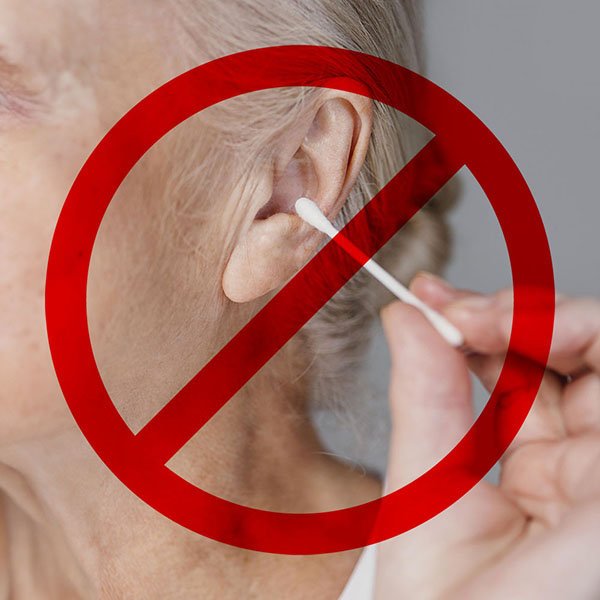
Important Message:
Attempting to remove earwax blockages using cotton swabs, hairpins, Ear candling or other objects can be dangerous and should be avoided. These objects can push the earwax further into the ear canal, potentially causing damage or impacting the wax even more.
Consulting a healthcare professional, such as an ear specialist or an audiologist, is recommended to determine the best course of action for your specific situation and to ensure safe and effective earwax removal.
Service Areas
We cover a wide service area that includes all of Sydney and extends to the Sydney metro areas, reaching as far south as Picton and Tahmoor. We also service Leppington, Kemps Creek and Bringelly.
Frequently asked questions
Is microsuction good for ear wax removal?
Yes. Microsuction is widely considered the safest and most comfortable earwax removal method. It is dry, uses no water and is done while the clinician looks directly into your ear, checking the canal and eardrum as the wax comes out.
Is microsuction ear wax removal actually worth it?
If your ear is blocked, muffled or you wear hearing aids, usually yes: most people get instant relief in one visit. If you have only a little wax and no symptoms, you probably do not need it, and we will tell you.
Is earwax microsuction painful?
Most people find it painless. You hear a loud suction noise and may feel a slight coolness. Very stuck wax can cause brief mild discomfort, and we stop whenever you ask. The appointment usually takes 15 to 30 minutes.
How long does microsuction last?
It depends on how fast your ears make wax. Many people only need it once every year or two. People who make a lot of wax, wear hearing aids or earbuds, or have narrow ear canals may need it every six to twelve months.
Can you microsuction ear wax at home?
Not safely by yourself. Home suction gadgets and camera scoops can push wax deeper or scratch the canal. A trained clinician can do microsuction in your home: Mobile Earwax Specialist offers home and aged care visits across Sydney.
Is ear wax removal covered by Medicare in Australia?
Partly, and only through a doctor. If your GP removes wax during a standard consultation, Medicare covers that consultation as usual. Medicare does not usually rebate earwax removal by an audiologist or earwax clinic, although some private health extras policies contribute.
Can a GP remove ear wax in Australia?
Yes. Many GPs remove earwax, usually by syringing (irrigation). Not all GPs offer microsuction, which needs a microscope or magnification and suction equipment. If syringing is not suitable for you, ask for microsuction.
Can children have microsuction?
Yes. We see children aged 4 and above.
Where can I read more?
See Microsuction vs syringing vs ear drops and Is earwax removal covered by Medicare?
Answers reviewed by Mo Helou, Principal Audiologist, October 2026.
Get In Touch
Better yet, see us in person! We love our customers, so feel free to visit during normal business hours!
-
- Mon to Fri 9am to 5pm
- Saturday 9am to 4pm
- Sunday: Closed
- Campbelltown: Mon, Wed, Thu and Saturday
Schedule A Service Today
Choose at your location or in our clinic and submit the form to schedule a service.